
(external image) It is a common misconception that inverters are needed to run devices with wall adapters ("wall warts"). That is usually not the case. Devices that have a plug that has a block at the end (or elsewhere) are typically using DC power, which is what is already in your car. No inverter needed. The adapter is there only to change 120vac to the required amount of DC voltage.((ie, "rectification"))
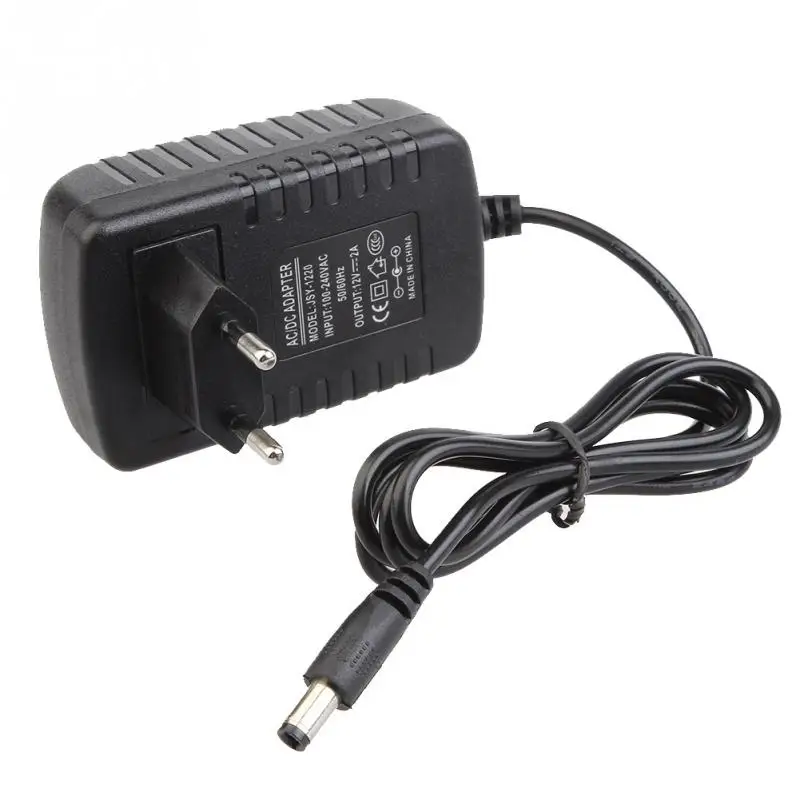
Inverters are generally required only for devices that run off wall power with cord that runs permanently into the device. Example: table lamp.
How to decide: If you need an inverter for other reasons it is often reasonable to run DC adapters from that inverter.((Exception: really big inverters with high parasitic loads running small adapters)) It is rarely reasonable to buy an inverter solely to run DC adapters.
device voltages provided by adapters
19vdc
19vdc is the modern standard for charging laptops. You can buy a 12vdc --> 19vdc adapter as an accessory from your laptop manufacturer or buy a generic one with various plugs.
12vdc
The car's own power system (and likely your aux power system) is already 12v. So if the device runs off 12v you can power it directly off power system: 12vdc --> device. If you did it from an inverter instead you'd be going 12vdc (car) --> 120vac (inverter) --> 12vdc (adapter) device, with added complexity, inefficiency and cost.
5vdc
(external image)5vdc is most often seen in USB. If your device needs 5v((up to ~2A)) you can likely run it from a USB to plug adapter. Example. You will have to assess the plug size.

other voltages
Other voltages like 9v and 6v are less common. If you have multiple devices that use the same odd voltage you might want to buy a DC-DC "buck" converter and adjust it for the desired voltage.
Inexpensive ones (example) typically have a "pot" (screw to turn on a potentiometer) to adjust voltage, so bring your multimeter. They are so inexpensive you might keep a few pre-tuned and labeled for specific voltages.
Fancier ones (example) might have LED readouts and allow you to configure the output with buttons.
If you have an adapter with a weird output voltage and don't want to mess with buck converters a very small, inexpensive inverter might be the thing. Even one small enough to run from the cigarette lighter (example).
boost converters
It's rarer still for devices to use adapters that make more than 12vdc. Increasing voltage from 12vdc to a higher DC voltage requires a "boost" converter (example). The laptop adapters mentioned earlier are boost converters.